

October 16, 2019


Every movie genre has its own trope. Action movies feature heroes who never miss a shot or have to reload their weapon, while science fiction films frequently include voice identification. And facial recognition. As well as retina scanning, among a host of others.
But have you ever stopped to realize that despite being in a fictional film, many of these biometric technologies now exist?
Who would have ever thought that you would be able to essentially turn your home into your own Starfleet vessel, issuing commands as if you were Captain Kirk.
Everyone now has the ability to have access to their own personal Spock, albeit named Alexa, Siri or Google.
Even something as common as a smartphone now includes a fingerprint scanner that can be used to unlock the device or sign into apps.
It’s easy to not realize how frequently we use biometrics in everyday life when enjoying the escapism of science fiction films.
Technology that we used to dream of existing is now used to access buildings and adjust room temperature.
*Article credit of Security Sales & Integration.
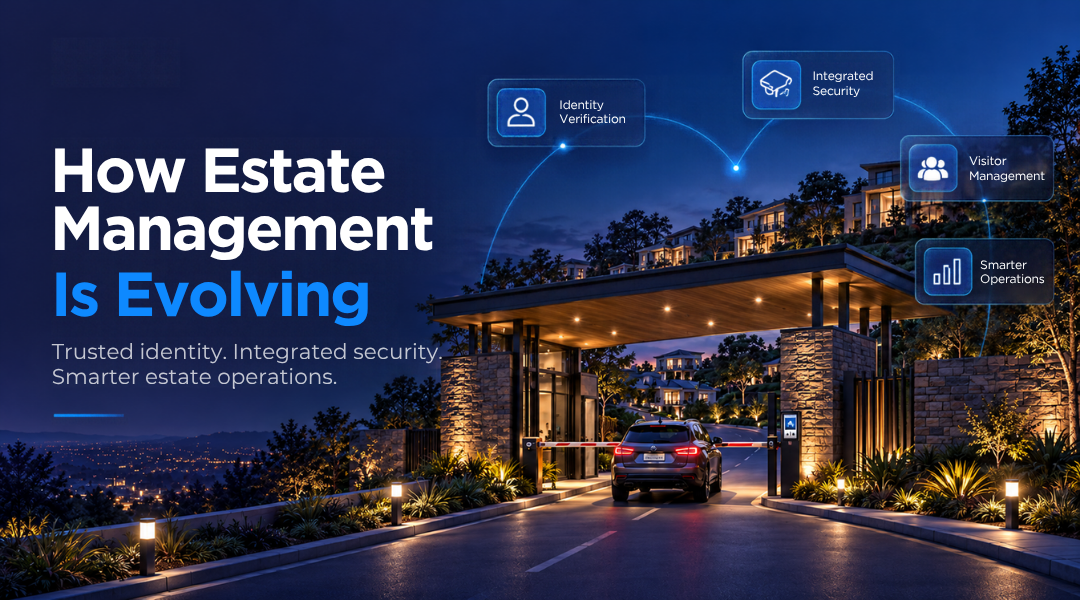
Estate management is evolving beyond traditional gates and access control towards a more integrated approach to security. Modern estates must manage trusted identities, biometric verification, visitor access and connected technologies while ensuring efficient daily operations. By integrating systems, estates can reduce administrative work, improve resident and visitor experiences, and respond to incidents more effectively. Future-ready estate security requires careful consideration of interoperability, cybersecurity, data management and long-term technology partnerships to create a secure, efficient and sustainable environment.
read more.png)
Biometric devices can look impressive while hiding weak algorithms, poor security and limited support. This article explains why international standards, independent testing, proven hardware and certified local repair matter. It also gives buyers a practical checklist to compare suppliers, reduce false matches, manage cyber risk and choose technology that performs when security is properly tested.
read more.png)
Ideco Biometrics CEO examines the widening AI oversight gap in enterprises and how fragmented identity systems fuel shadow AI risks and security breaches. With average breach costs reaching $4.44 million, continuous biometric identity assurance emerges as critical for securing AI adoption and building stronger organisational resilience across cloud and hybrid environments.
read more


